Showing posts with label DIY. Show all posts

Saturday, February 3, 2018

Storey's Guide to Raising Chickens, 4th Edition

Storey's Guide to Raising Chickens, 4th edition by Gail Damerow continues the long tradition of quality Storey's Guides with a revisit and updating of this 22 year old classic on the care and maintenance of the home flock.  The first edition of this book is one of the very first books I bought when we were still in the 'dreaming and planning' phase of our smallholding.  It's still the first book I recommend to people who are interested in home fowl.

I think it's vitally important (especially when caring for or interacting with other living creatures) to do the very best we can to give them the highest quality life possible.  This is a well written, understandable and accessible reference guide which covers pretty much everything to do with chickens in a no-nonsense and scientifically sound manner.

The book contains 424 pages with hundreds of photographs, sidebars, and illustrations.  The book is split up into logically arranged chapters.  The chapters progress from the truly basic and introductory (What is a chicken? What are the different breeds and what are their plus and minus characteristics? How do I get started?)... to the advanced whys and wherefores of managing breeding flocks, selecting stock, even a section on artificial insemination.

Disease management and culling are explained and defined very clearly along with illustrative discussion on whether to maintain an open or closed flock (the author herself has a closed flock).

The chapter on killing and butchering chickens and other fowl is well presented along with a good and complete explanation of the physiological mechanics involved in the musculature and why light meat is 'light' and dark meat is darker.

I have relied on the earlier editions of this book for many years for support and guidance with my own flock and I'm happy to see this updated version with newer links and further reading sections, updated glossary and updated info.  The general feel and layout of the book are true to the Storey's Guides format and will be recognizable and usable for anyone.

Five stars, a great successor to a long-lived and successful title.

Disclosure: I received an ARC at no cost from the author/publisher.

Wednesday, January 24, 2018

The Art of Botanical & Bird Illustration


Walter Foster art and graphics publishing have a catalog which encompasses all types of graphic and mixed media arts as well as art history and culture.  The Art of Botanical & Bird Illustration is a 144 page instruction and tutorial manual available in ebook and paperback formats.  The author is an experienced artist and illustrator.

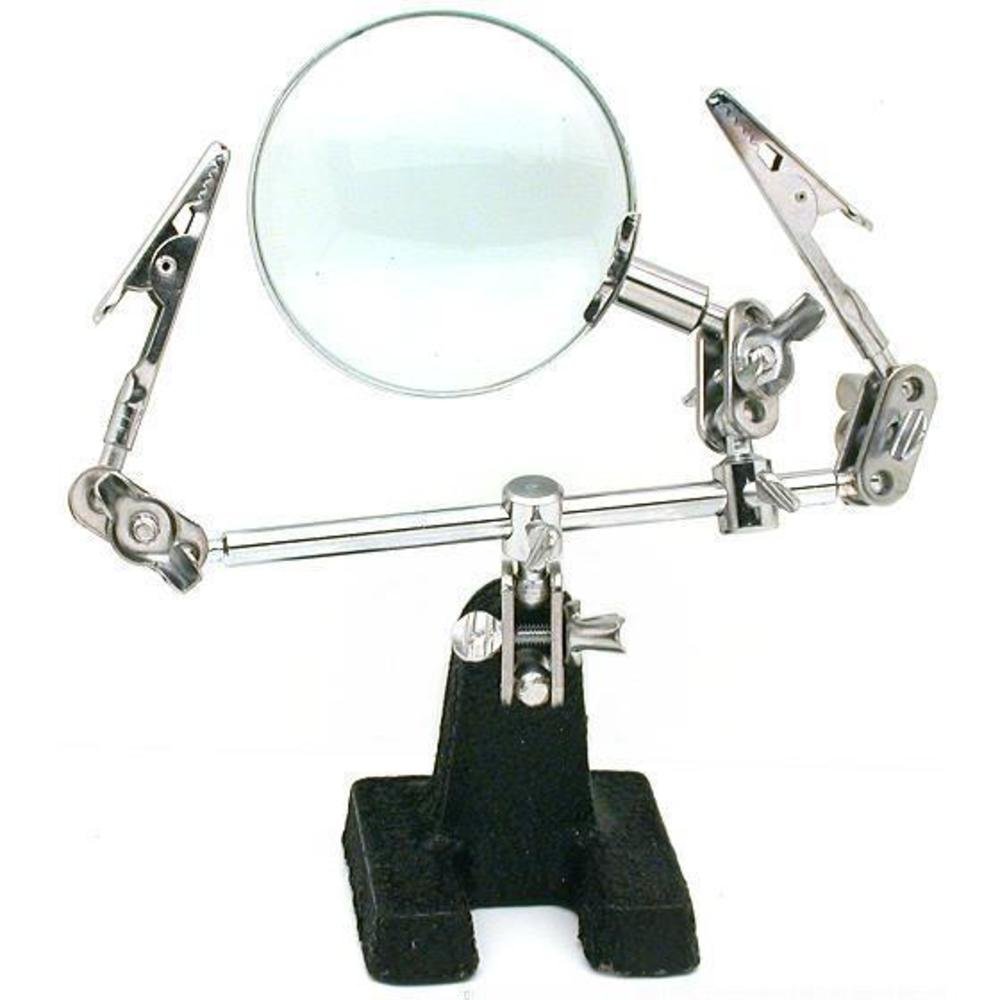
There was a lot to like here.  I really like the author's calm and reassuring writing style.  The photography and individual technical tutorials are well written and very well illustrated.  The biological/botanical/anatomical information in the book is well presented and correct.   She also emphasizes the importance of nomenclature and precision when drawing and illustrating plants.  The book abounds with creative and useful tips for natural positioning and drawing botanical samples.  I loved the tip about using floral water tubes and a third hand to hold botanical samples during the drawing process.
I also really liked that the author isn't a purist.  It's clear that she's not a shill for any particular brand name.  She shows what -she- uses and works with and leaves it up to the student to find methods and tools which work for them.
She even manages to sneak a little philosophy into the book without being preachy or strident at all.  She mentions the use of reference photographs and that ethical artists will use stock photographs as reference guides but not slavishly copy them and claim them as original.  (She says it in a much less confrontational manner).  Intellectual theft and copying is so rife.  I think her subtle message is both needed and timely.

There are many things to like about this book. I read it in one sitting and went back and worked on some of the introductory shading and shadowing exercises with a still life. My results weren't terribly impressive, but it's made me want to work on my drawing more rather than frustrating me into quitting.  This is not a beginner book.  It is, however, an inspirational book and one to grow with.

There is basically zero handholding/spoonfeeding.  This is not a book to pick up if you've never held a pencil before.  She does go over some basics of perspective and shading, but not nearly enough to get a beginner from a starting point to a position of confidence without a lot of (possibly insurmountable) frustration.

I received the electronic ARC of this book, so I can't speak to the quality of the physical book, but I'm assuming it's the same quality as the other Walter Foster tutorial titles.

Four stars, beautifully illustrated and a valuable resource.

Disclosure: I received an ARC at no cost from the author/publisher.

Tuesday, January 23, 2018

Tilda Sewing by Heart: For the Love of Fabrics

Sewing by Heart is the newest pattern and fabric collection book from 'Tilda' (Tone Finnanger). The fabrics are (as always) beautiful and delicately colorful and so wonderfully coordinated.  I absolutely love the designs.  The patterns include several groups of coordinating projects: quilts with matching pillows, soft toys or decor items.  The quilts are pieced in the traditional fashion but the patterns are new-to-me and original.  There are both pieced, modified mola (reverse applique) and traditional applique projects.  They are all beautiful and I had trouble picking out what to do first.

There are (by my count) 24 separate projects in 7 broad categories.  The 7 quilt patterns alone are worth more than the purchase price.  The book also includes chapters covering materials, techniques, scale and full size patterns (there are also printable pattern links),  and a handy suppliers list at the back of the book.

There are nice full color photographs and illustrations throughout.

Published 17th November, 2017 through F+W Media and  Sew and So, it's 144 pages and available in ebook and softbound formats.

Four stars, beautiful and original quilt patterns and beautifully showcased quality fabrics.

Disclosure: I received an ARC at no cost from the author/publisher.


Sunday, January 21, 2018

Hand Tool Basics

Hand Tool Basics is exactly what the title claims, a solid handbook on the care, use, and feeding of hand powered woodworking tools. Self taught woodworker, author and blogger Steve Branam has teamed up with F+W Media and Popular Woodworking; the book is available in hardcover and ebook formats, and was released 12th January, 2018.

The book opens with an introduction which explains why someone would choose hand tools when electrical tools are available, materials, the value of practicing new skills to become comfortable with them, setting up a work space, using jigs and guides, etc.  The intro covers about 5% of the page content.
Chapter 1 (roughly 5% of the book) covers tools: workbenches, safety, saws and planes and other basic info.

Chapter 2 (18% of the content) - Sharpening and care of tools is important from a safety standpoint as well as to get the best results from the tools. Dull and badly maintained tools suck the joy out of any project as well as being a dangerous safety risk.  This chapter provides clear concise instructions with full color photos in a step-by-step format.  I came away with a clear understanding of  single and double bevel edges and sharpening everything from chisels to saws.  Maintenance is so important and the author uses easily followed and complete language (and pictures).  It really felt like having a one-on-one instructor available.

Chapter 3 (21%) covers  the tools used in preparing stock materials: gauges, squares and marking tools, planes, and how to prepare and face stock.  I really like that the author gives considered opinions about potential strengths and drawbacks of different methods throughout the book.  He often refers to these as 'fistfights' or places where woodworkers tend to have very fixed opinions about the relative merits of one approach over another.

Chapter 4 (20%) - is a really complete treatise of joinery in all its forms and functions.  I can't emphasize enough how helpful it was for me to have the reference photographs to see hand and tool positions.  He covers simple joinery with glues and this chapter has the best illustrations of any book in my library on using a chisel and how to use the bevel (forward or backward facing) to cut exactly to the desired depth and removal area.

Chapter 5 (11%) Mortise & Tenon joinery - well photographed and complete step by step instructions.  I really like that he explains potential problem areas and pitfalls before they can arise and ruin progress.

Chapter 6 (12%) - Dovetail joinery.  This is a solid chapter.  The instructions and photography are -so- good that even beginning woodworkers will feel like they can succeed with the step-by-step instructions.  There's a tutorial for practicing dovetail sawing.  This chapter alone is worth the price of admission.

Chapter 7 (4%) - Boring holes and curved work. This chapter has a lot of info about boring holes and roughing and refining curves. 

The rest of the content covers conversions, extra available instructions and patterns, links and inspiration.

I previously spent a lot of time frustrated with the results of my woodworking projects because I felt that they were lacking something.  I came to woodworking mostly as a result of needing improved skills for repairing and refinishing and replacing pieces on the furniture I was refinishing and refurbishing.  I'm constantly learning but I really wish I'd had this book years ago.

The author has a real knack for teaching in a calm and clear manner.

Five stars.  This is a good solid book.  I'm going to buy a hardback version for my shop bookshelf; that's high praise from me.

Disclosure: I received an  electronic-ARC at no cost from the author/publisher.


Sunday, January 14, 2018

Success With Succulents

Success With Succulents is a very colorful, well photographed guide to choosing and successfully growing a broad range of cacti and other succulents. Released 5th Dec, 2017 in paperback format from Quarto - Cool Springs Press, co-authors John Bagnasco and Bob Reidmuller, Jr. have between them many decades of plant and gardening knowledge which they generously share in this easy to read and well presented book.

One of the dangers of gardening books is that there's a temptation to concentrate on only the newest and most popular cultivars, making the info in the book seem outdated quickly.  That's not the case here and although there are a number of gorgeous new cultivars highlighted and described, there's a solid basis of good tried-and-true general advice for getting the best performance out of and succeeding with any succulents.

The book has an easily read, accessible format.  A short introduction is followed by a botanically correct (worded in layman terms) definition of the terms cactus and succulent, the difference between spines, thorns and prickles, and also covers the ranges, culture and habitats of the various members of the succulent family.  All of the text is accompanied by really detailed macro photography which explain and support the text.

The next two chapters (totaling about 50% of the book's content) concern the culture and growing of succulents outdoors and indoors.  The book covers choice, placement, uses and culture for a wide variety of different plants.  With the emphasis on careful use of water and other precious resources, xeriscaping has a rightful place in garden design and the authors do a masterful job of presenting both the challenges and benefits of choosing the right plant for the desired use.

The table of contents includes a well indexed list of 100 featured plants representing both the classics and newer selections and covering a very broad range of styles.  There's a complete alphabetical index at the end of the book which also includes conceptual and gardening terms.

My only gripe, and I do freely admit that it's a trivial one, is that the authors use 'cactuses' instead of 'cacti'. This is clearly a conscious choice (and indeed, even a search of Wikipedia shows that 'cactuses' is a perfectly acceptable plural form along with 'cacti' and 'cactus').    They use the term consistently, so stylistically it isn't a problem. It's just a case of 'po-tay-to' 'po-tah-to' and I'm on the wrong side of the fence.

In all seriousness, it's a very well written, beautifully photographed gardening book, full of good solid advice for succeeding and growing these fascinating plants well.

Four stars

Disclosure: I received an ARC at no cost from the author/publisher.

Monday, January 1, 2018

Creative Folk Art & Beyond

Scandinavia ranks very high on the international 'happiness index'.  The folk and primitive art of Scandinavia has regional differences of course, but in general reflects the happy, relaxed, and natural 'vibe' most Scandinavians enjoy.  The motifs are 'hyggelige' (cozy) and colorful and most of them represent things found in nature: birds, flowers, natural features, etc.

This book is one of a series of how-to books from Walter Foster called Creative ____ & Beyond.  For another example in this series, I reviewed Creative Marker Art & Beyond back in October 2017. 

This book is split into four sections, from four different artist designers; each section includes projects and inspiration pages, along with tools and materials.  A short basic introduction covers general info about the supplies necessary for the projects in the book.  The designers' work varies quite a lot, from more primitive folk art to more polished.  The projects are a very accessible source of inspiration, there's plenty here to inspire and reassure even the most novice would-be artists.

The four included designers are Flora Waycott, Oana Befort, Marenthe Otten, and Terri Fry Kasuba.  They each have varying styles and projects.  Most of the actual art appealed to me, however, there weren't many of the included projects that grabbed me and insisted to be made.  All of the included project designs are full of inspiration to be used elsewhere though.  The cover gives a pretty good indication of the contents.

 147 pages, paperback format.  It's worth noting that roughly 13% of the page content is given over to practice pages. 

Accessible, doable, beautiful and fun projects and inspiration.  I really like art project books which are doable by anyone.  For what it's worth, none of the included designers is actually Scandinavian, proving that anyone can enjoy and produce hygge for themselves.

Four stars, a very happy book.

Disclosure: I received an ARC at no cost from the author/publisher

Tuesday, December 26, 2017

Worms Eat My Garbage

The re-release of a classic first published 35 years ago, Worms Eat My Garbage has everything that the beginner to advanced vermicomposter needs to know to make a thriving habitat for earthworms to compost the organic waste produced by an average family.

The book is full of fun illustrations and easy to read and understand instructions.  It's impossible to overstate the importance of shepherding our resources and reusing, recycling, repairing the items we can.  In the western world, we throw away a staggering amount of food which could easily be turned into compost to improve the soil so we can reduce the need to transport food and grow our own.  Even if we don't use the compost in our gardens, it's fantastic for houseplants and starting seedlings.

I have noticed that the compost also seems to make my houseplants stronger and more able to withstand the stresses of being indoors.  None of my 'worm compost' houseplants seem to get aphids or scale or mealybugs or any of the other nasties which attack indoor houseplants.

The book begins by introducing vermiculture and spends a chapter explaining the differences and cultural requirements of the most used species and their strengths and weaknesses. The next few chapters explain the different types of containers, how to build a container (or modify a bought one), figuring out and collecting bedding and how to source your worms.  The introductory and setup chapters comprise roughly 35% of the content and they are well illustrated and very well explained in plain, readable text.

The next chapters describe what (and how) to feed your 'worm workers', how to keep the environment in your worm box(es) optimal for production and growth, what other critters can possibly pop up and what to do about them (in general, they're supporting characters and completely harmless, so leave them alone to help your worms...  the few exceptions are well explained and illustrated).

There is also an interesting chapter of FAQs including a section on the anatomy and physiology of worms and how they do what they do.

The final 10% of the book is given over to worksheets and record keeping examples (extremely useful), resources, links (updated), appendices and indices.

All in all a thorough and entertainingly written and illustrated book about a useful hobby.

Five stars

Disclosure: I received an ARC at no cost from the author/publisher.  

Wednesday, December 20, 2017

Tula Pink Coloring with Thread


Coloring With Thread is a new design book + CD from fabric designer and fibreartist Tula Pink
due out 20th Dec, 2017 from F+W Media. It's a short book, 98 pages, but packs a lot of instruction and photography and design into that space.

 The book is full of Tula's whimsical stylized animals and florals, many of which coordinate with existing fabric. They remind me of many folk art traditions, Indian, Scandinavian, Mola etc.  Most of the projects in the book are finished in hoops for artistic cohesiveness (and to encourage the user to further creativity), but certainly they should be used for other purposes such as linens, firescreens, pillows, etc. It's nice to see a resurgence of freehand and crewel embroidery with surface designs instead of only counted thread projects.

The book begins with a short introduction and artist's statement which is followed by a supplies list and how-to section which include many embroidery stitch diagrams.  The introduction and stitch diagrams comprise about 20% of the total content.


The projects each have color coded outline diagrams. There are 17 full tutorials which make up about 75% of the content. Picture sidebars in each tutorial section include closeups of the detail work for clarity along with designer notes and inspirations.At the end of the book there's a very basic resources and biography section.

Very nice and inspirational tutorial book full of color and whimsy.

Four stars

Disclosure: I received an ARC at no cost from the author/publisher.


Saturday, December 16, 2017

The Electric Pressure Cooker Cookbook

There's such a bewildering array of small (and large) kitchen appliances and gadgets available, it's often difficult or impossible to really know what is worth buying.  I remember my grandmother's pressure cooker and the hissing scary noises it made.  We never actually had any major mishaps when I was a kid, but everyone knew someone who had an explosive situation from a badly vented pressure cooker.  That was then, this is now...

With the safety and materials updates modern pressure cookers have undergone, the old fashioned pressure cookers are a thing of the past.  Today's electric pressure cookers come in a bewildering array of finishes, some nonstick, with all kinds of bells and whistles.  Some even double as slow cookers, rice cookers and yogurt makers.

The Electric Pressure Cooker Cookbook, by Barbara Schieving published by Harvard Common Press is a reassuring and encyclopedic look at the various pressure cooker options along with bells and whistles, as well as a cookbook with recipes which have been tested and adjusted specifically to pressure cooking.

The book is set up very logically with a preface and introduction covering the theory of pressure cooking (why it does what it does), specific models, and a very good how-to section.  The introduction covers roughly 10% of the page content.  The following chapters are arranged by types of food: breakfasts, sandwiches/wraps/tacos, soups, shortcut dinners, 30 minute meals, Sunday suppers, sides, and desserts.  There are over 200 recipes, certainly enough to keep most cooks busy and experimenting for ages.  One of the things I really liked about this book was how many variations there were and how easily the recipes could be altered and mixed up for completely different presentations.

I had no idea my pressure cooker was so versatile and had only cooked chicken and pot roast in it previously.  When reviewing cookbooks, I try to test out at least 3 recipes.  In this case, I tried the Maple-Almond-Raisin Breakfast Risotto (p. 42), which came out beautifully cooked and moist.  My kids have begged for a reprise constantly since...  it could definitely become a family favorite.  We also tested the shredded chicken tacos (p. 49).  They were fine, and this recipe is suitable for experimentation, barbecue, smoked flavor, etc.

I have never used a pressure cooker for dessert/baking before...   So I decided to try out the peanut butter cup cheesecake (p. 284).  My pressure cooker needed a second 5 minute round of cooking in order to get the internal temp up to 150F in the center, but after that, everything went fine and the cheesecake was firm and smooth and delicious.  I have plans to repeat the recipe for a work potluck dinner coming up soon.

The recipes seem varied and well made.  There are a lot of Asian American, southwest/tex-mex, Italian, and lots of 'American comfort food' dishes.  Good solid family food.  The food and recipes are photographed very well.  It's not fussy or overdone. 

The recipe chapters are followed by acknowledgement and bio pages as well as a short index.

Four and a half stars.  I am absolutely sure my pressure cooker is going to get a lot more airplay from now on.

Disclosure: I received an ARC at no cost from the author/publisher.


Monday, December 11, 2017

Urban Botanics

Urban Botanics is a calm and beautifully illustrated short book by Emma Sibley and Maaike Koster, from Quarto Publishing - Aurum Press.  Although it's only 160 pages, half the page count is taken up by the gorgeous watercolors of illustrator Maaike Koster.  The rest of the pages are given over to the accompanying descriptions and culture tips for the more than 75 houseplants.  Though most of the included plants are relatively common houseplants, there are some surprises included (Epipremnum aureum for example; a lovely plant and one that is widely ignored in the floral trade).

I wasn't sure what to expect from a plant handbook with watercolor illustrations instead of photographs, but the result is lush and beautiful, even better than it would have been with photography in my opinion.

The book is available in ebook and hardcover formats and was released 14 Sept, 2017.

It's worth noting that the Amazon description for this book incorrectly lists the illustrations in the book blurb next to descriptions for other plants which are also included in the collection.  The descriptions and illustrations are correct in the actual book.

Really beautiful illustrations, reassuring and accessible short culture tips.  Well worth a look.

Four stars

Disclosure: I received an ARC at no cost from the author/publisher.

Sunday, December 10, 2017

The Grumpy Gardener

The Grumpy Gardener by Steve Bender, an editor for Southern Living, is a collection of garden snippets essays and advice arranged in an A to Z format.  Each letter of the alphabet contains several entries often with short (and very funny) reader sent question sidebars with information for getting rid of ants, killing bamboo, and avoiding letting your cat drive the lawn tractor - He's too short to see over the steering wheel and will likely run over your flowers. :)

The entire book is sarcastic and humorous and innocently grumpy.  There's a lot of sensible gardening advice and a fair bit of humor.  The book itself is heavily slanted to the southern areas of the USA (he does work for Southern Living magazine), though there's a lot of info that is perfectly suitable and usable for other areas.  I did recognize a few of the entries, so I believe that at least some of the content is reprinted from past issues of Southern Living.  It's nice to have them collected in one place though.

This book is more of a gardening humor read than an actual reference book.  I sat and read it cover to cover and found myself chuckling along quite often.


256 pages, ebook and hardcover formats, published October 24, 2017 by Southern Living/Time Inc Books.

Four stars

Disclosure: I received an ARC at no cost from the author/publisher.


Hand Lettering

Due out 6th February, 2018 by Gabri Joy Kirkendall & Jaclyn Escalera, Hand Lettering is bundled as a set including a project book, markers, and drawing pencil.  The bundle is produced by adult coloring book and art publisher Thunder Bay Press.

This book is very short (64 pages) and what text there is is written in a friendly informal encouraging style. After an oddly involved calligraphy element and illustrated history of writing (appealing, but which took up roughly 10% of the page content), the 10 styles included in the book are presented: Art deco, 'coastal', cubism, garamond, Parisian, mid-century modern, retro, southwestern, and tribal.

Each of the 10 styles is covered with approximately 2 pages each along with a sidebar of 'defining characteristics'.  The pages include many examples, and though there aren't any step by step tutorials, there are a number of tips and hints along the way.

The last half of the book includes some tutorial info about special effects, techniques, flourishes,  3D marker techniques, a few project inspirations such as a lettered and drawn illuminated capital, pen and ink scene with lettering, letters with floral and object embellishments, negative space and uses and placement in curved or oddly shaped forms.
At the very end of the book are a couple pages with further inspiration for using brush pens, found objects, cut paper, gouache and metallics, etc.

I received an early galley copy of the project book, so I cannot comment on the quality or colors of the art set which will be bundled with the book.  The book itself is accessible to beginners and encouraging and fun.  More experienced crafters or calligraphers will perhaps not find much to challenge them.

Bundle price, according to B&N is $15.59, of course subject to change before release.

Three and a half stars

Disclosure: I received an ARC at no cost from the author/publisher.