Showing posts with label plants. Show all posts
Wednesday, January 24, 2018
The Art of Botanical & Bird Illustration
Walter Foster art and graphics publishing have a catalog which encompasses all types of graphic and mixed media arts as well as art history and culture. The Art of Botanical & Bird Illustration is a 144 page instruction and tutorial manual available in ebook and paperback formats. The author is an experienced artist and illustrator.
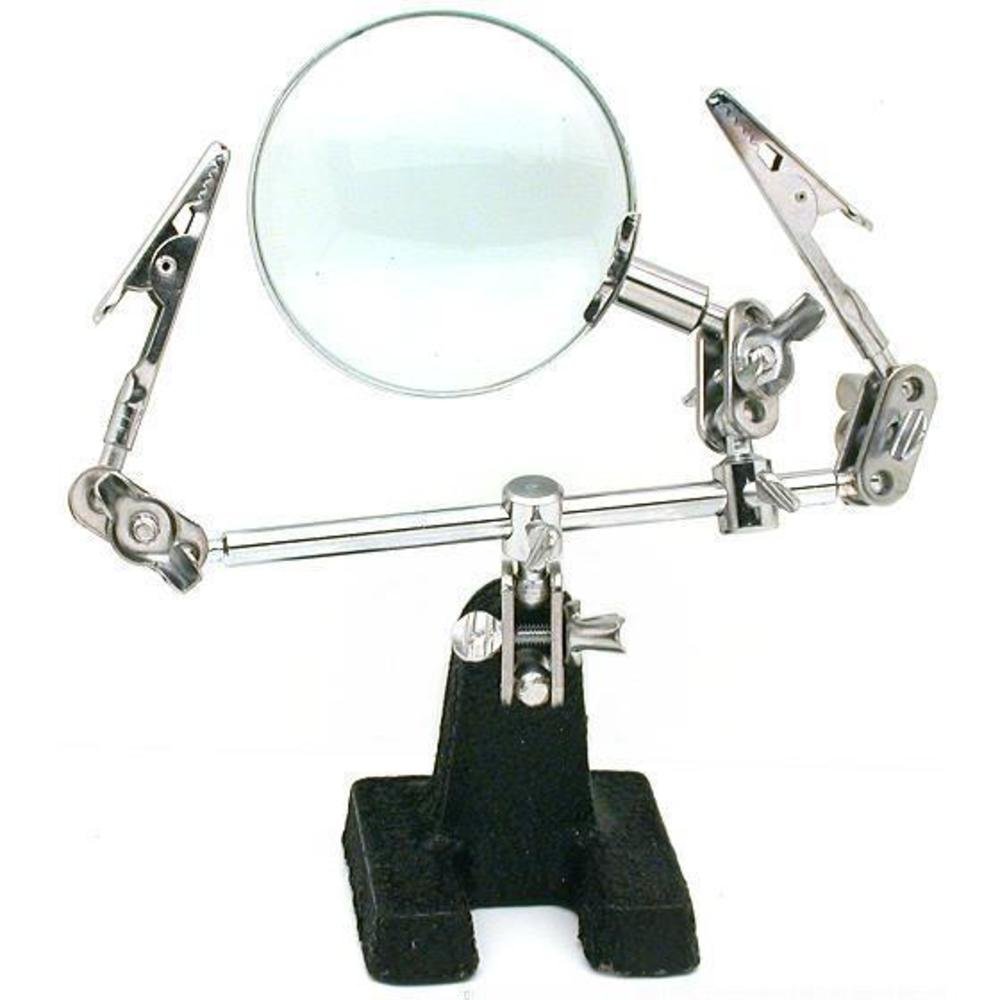
There was a lot to like here. I really like the author's calm and reassuring writing style. The photography and individual technical tutorials are well written and very well illustrated. The biological/botanical/anatomical information in the book is well presented and correct. She also emphasizes the importance of nomenclature and precision when drawing and illustrating plants. The book abounds with creative and useful tips for natural positioning and drawing botanical samples. I loved the tip about using floral water tubes and a third hand to hold botanical samples during the drawing process.
I also really liked that the author isn't a purist. It's clear that she's not a shill for any particular brand name. She shows what -she- uses and works with and leaves it up to the student to find methods and tools which work for them.
She even manages to sneak a little philosophy into the book without being preachy or strident at all. She mentions the use of reference photographs and that ethical artists will use stock photographs as reference guides but not slavishly copy them and claim them as original. (She says it in a much less confrontational manner). Intellectual theft and copying is so rife. I think her subtle message is both needed and timely.
There are many things to like about this book. I read it in one sitting and went back and worked on some of the introductory shading and shadowing exercises with a still life. My results weren't terribly impressive, but it's made me want to work on my drawing more rather than frustrating me into quitting. This is not a beginner book. It is, however, an inspirational book and one to grow with.
There is basically zero handholding/spoonfeeding. This is not a book to pick up if you've never held a pencil before. She does go over some basics of perspective and shading, but not nearly enough to get a beginner from a starting point to a position of confidence without a lot of (possibly insurmountable) frustration.
I received the electronic ARC of this book, so I can't speak to the quality of the physical book, but I'm assuming it's the same quality as the other Walter Foster tutorial titles.
Four stars, beautifully illustrated and a valuable resource.
Disclosure: I received an ARC at no cost from the author/publisher.
Sunday, January 14, 2018
Success With Succulents
Success With Succulents is a very colorful, well photographed guide to choosing and successfully growing a broad range of cacti and other succulents. Released 5th Dec, 2017 in paperback format from Quarto - Cool Springs Press, co-authors John Bagnasco and Bob Reidmuller, Jr. have between them many decades of plant and gardening knowledge which they generously share in this easy to read and well presented book.
One of the dangers of gardening books is that there's a temptation to concentrate on only the newest and most popular cultivars, making the info in the book seem outdated quickly. That's not the case here and although there are a number of gorgeous new cultivars highlighted and described, there's a solid basis of good tried-and-true general advice for getting the best performance out of and succeeding with any succulents.
The book has an easily read, accessible format. A short introduction is followed by a botanically correct (worded in layman terms) definition of the terms cactus and succulent, the difference between spines, thorns and prickles, and also covers the ranges, culture and habitats of the various members of the succulent family. All of the text is accompanied by really detailed macro photography which explain and support the text.
The next two chapters (totaling about 50% of the book's content) concern the culture and growing of succulents outdoors and indoors. The book covers choice, placement, uses and culture for a wide variety of different plants. With the emphasis on careful use of water and other precious resources, xeriscaping has a rightful place in garden design and the authors do a masterful job of presenting both the challenges and benefits of choosing the right plant for the desired use.
The table of contents includes a well indexed list of 100 featured plants representing both the classics and newer selections and covering a very broad range of styles. There's a complete alphabetical index at the end of the book which also includes conceptual and gardening terms.
My only gripe, and I do freely admit that it's a trivial one, is that the authors use 'cactuses' instead of 'cacti'. This is clearly a conscious choice (and indeed, even a search of Wikipedia shows that 'cactuses' is a perfectly acceptable plural form along with 'cacti' and 'cactus'). They use the term consistently, so stylistically it isn't a problem. It's just a case of 'po-tay-to' 'po-tah-to' and I'm on the wrong side of the fence.
In all seriousness, it's a very well written, beautifully photographed gardening book, full of good solid advice for succeeding and growing these fascinating plants well.
Four stars
Disclosure: I received an ARC at no cost from the author/publisher.
One of the dangers of gardening books is that there's a temptation to concentrate on only the newest and most popular cultivars, making the info in the book seem outdated quickly. That's not the case here and although there are a number of gorgeous new cultivars highlighted and described, there's a solid basis of good tried-and-true general advice for getting the best performance out of and succeeding with any succulents.
The book has an easily read, accessible format. A short introduction is followed by a botanically correct (worded in layman terms) definition of the terms cactus and succulent, the difference between spines, thorns and prickles, and also covers the ranges, culture and habitats of the various members of the succulent family. All of the text is accompanied by really detailed macro photography which explain and support the text.
The next two chapters (totaling about 50% of the book's content) concern the culture and growing of succulents outdoors and indoors. The book covers choice, placement, uses and culture for a wide variety of different plants. With the emphasis on careful use of water and other precious resources, xeriscaping has a rightful place in garden design and the authors do a masterful job of presenting both the challenges and benefits of choosing the right plant for the desired use.
The table of contents includes a well indexed list of 100 featured plants representing both the classics and newer selections and covering a very broad range of styles. There's a complete alphabetical index at the end of the book which also includes conceptual and gardening terms.
My only gripe, and I do freely admit that it's a trivial one, is that the authors use 'cactuses' instead of 'cacti'. This is clearly a conscious choice (and indeed, even a search of Wikipedia shows that 'cactuses' is a perfectly acceptable plural form along with 'cacti' and 'cactus'). They use the term consistently, so stylistically it isn't a problem. It's just a case of 'po-tay-to' 'po-tah-to' and I'm on the wrong side of the fence.
In all seriousness, it's a very well written, beautifully photographed gardening book, full of good solid advice for succeeding and growing these fascinating plants well.
Four stars
Disclosure: I received an ARC at no cost from the author/publisher.
Monday, December 11, 2017
Urban Botanics
Urban Botanics is a calm and beautifully illustrated short book by Emma Sibley and Maaike Koster, from Quarto Publishing - Aurum Press. Although it's only 160 pages, half the page count is taken up by the gorgeous watercolors of illustrator Maaike Koster. The rest of the pages are given over to the accompanying descriptions and culture tips for the more than 75 houseplants. Though most of the included plants are relatively common houseplants, there are some surprises included (Epipremnum aureum for example; a lovely plant and one that is widely ignored in the floral trade).
I wasn't sure what to expect from a plant handbook with watercolor illustrations instead of photographs, but the result is lush and beautiful, even better than it would have been with photography in my opinion.
The book is available in ebook and hardcover formats and was released 14 Sept, 2017.
It's worth noting that the Amazon description for this book incorrectly lists the illustrations in the book blurb next to descriptions for other plants which are also included in the collection. The descriptions and illustrations are correct in the actual book.
Really beautiful illustrations, reassuring and accessible short culture tips. Well worth a look.
Four stars
Disclosure: I received an ARC at no cost from the author/publisher.
I wasn't sure what to expect from a plant handbook with watercolor illustrations instead of photographs, but the result is lush and beautiful, even better than it would have been with photography in my opinion.
The book is available in ebook and hardcover formats and was released 14 Sept, 2017.
It's worth noting that the Amazon description for this book incorrectly lists the illustrations in the book blurb next to descriptions for other plants which are also included in the collection. The descriptions and illustrations are correct in the actual book.
Really beautiful illustrations, reassuring and accessible short culture tips. Well worth a look.
Four stars
Disclosure: I received an ARC at no cost from the author/publisher.
Sunday, December 10, 2017
The Grumpy Gardener
The Grumpy Gardener by Steve Bender, an editor for Southern Living, is a collection of garden snippets essays and advice arranged in an A to Z format. Each letter of the alphabet contains several entries often with short (and very funny) reader sent question sidebars with information for getting rid of ants, killing bamboo, and avoiding letting your cat drive the lawn tractor - He's too short to see over the steering wheel and will likely run over your flowers. :)
The entire book is sarcastic and humorous and innocently grumpy. There's a lot of sensible gardening advice and a fair bit of humor. The book itself is heavily slanted to the southern areas of the USA (he does work for Southern Living magazine), though there's a lot of info that is perfectly suitable and usable for other areas. I did recognize a few of the entries, so I believe that at least some of the content is reprinted from past issues of Southern Living. It's nice to have them collected in one place though.
This book is more of a gardening humor read than an actual reference book. I sat and read it cover to cover and found myself chuckling along quite often.
256 pages, ebook and hardcover formats, published October 24, 2017 by Southern Living/Time Inc Books.
Four stars
Disclosure: I received an ARC at no cost from the author/publisher.
The entire book is sarcastic and humorous and innocently grumpy. There's a lot of sensible gardening advice and a fair bit of humor. The book itself is heavily slanted to the southern areas of the USA (he does work for Southern Living magazine), though there's a lot of info that is perfectly suitable and usable for other areas. I did recognize a few of the entries, so I believe that at least some of the content is reprinted from past issues of Southern Living. It's nice to have them collected in one place though.
This book is more of a gardening humor read than an actual reference book. I sat and read it cover to cover and found myself chuckling along quite often.
256 pages, ebook and hardcover formats, published October 24, 2017 by Southern Living/Time Inc Books.
Four stars
Disclosure: I received an ARC at no cost from the author/publisher.
Subscribe to:
Posts (Atom)


